Homeowners usually want the same thing from their heating and cooling system, even if they do not say it out loud: reliable comfort without a painful bill. That sounds simple until the air conditioner quits on a humid afternoon, the furnace starts cycling strangely, or an energy bill arrives high enough to make you look twice. At that point, the question is not whether to get help. It is how to get the right kind of help, from a company that understands both the equipment and the budget sitting behind it.
Residential HVAC service is full of trade-offs. The cheapest repair is not always the best value, and the most expensive service call is not automatically the most thorough. A good provider knows how to diagnose accurately, recommend only what matters, and preserve the life of the system without padding the work. For homeowners comparing affordable HVAC services Winter Haven to bigger-name options or neighborhood handymen, the real challenge is separating true value from surface-level pricing.
That distinction matters because HVAC systems are not cosmetic appliances. They affect sleep, indoor air quality, humidity control, allergy relief, and monthly utility costs. When service is done well, you feel it in small ways first. The bedrooms cool more evenly. The system stops short cycling. The air smells cleaner after a long stretch of rain. The bill settles into a more predictable range. Good work tends to disappear into the background, which is exactly what homeowners want.
What quality really means in residential HVAC service
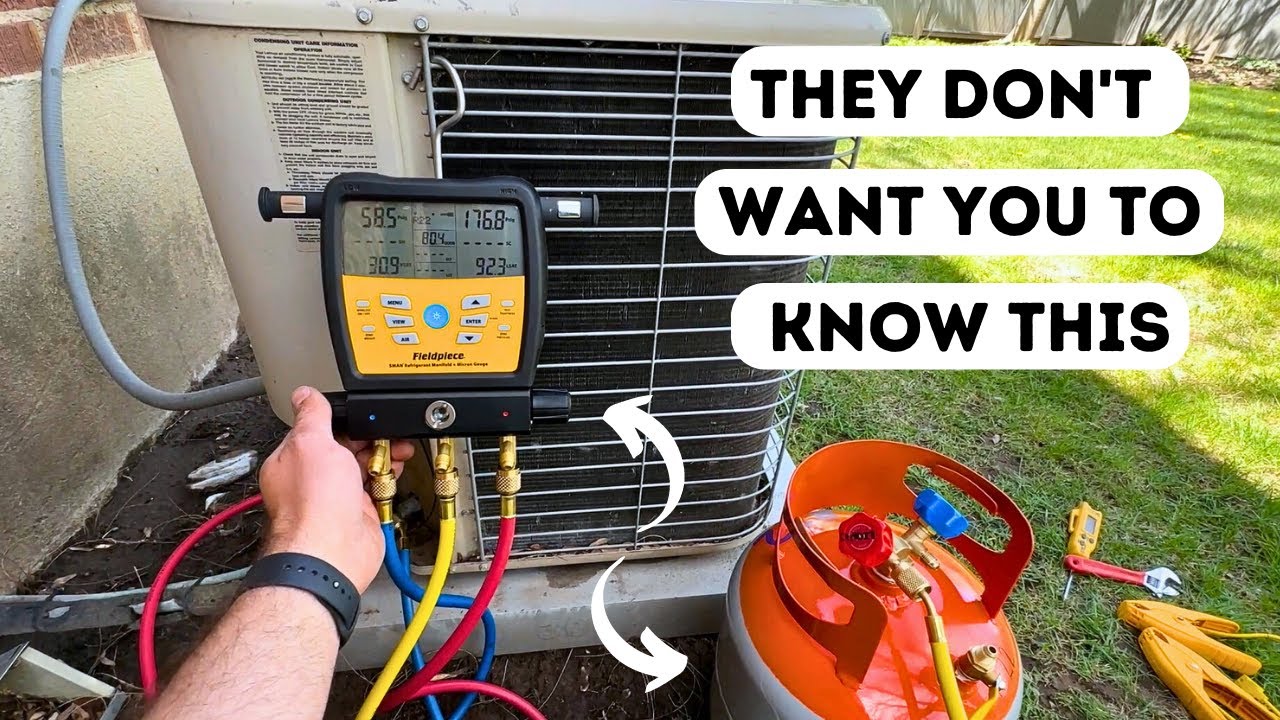
A lot of people judge HVAC work by the final invoice alone, but quality shows up in the process long before the bill is printed. A solid residential HVAC service appointment starts with proper diagnostics. That means the technician does not guess based on a single symptom. They check airflow, refrigerant pressures, electrical components, drain lines, thermostat behavior, filter condition, and the condition of the outdoor and indoor units. The best technicians also ask a few practical questions about runtime, odd noises, hot and cold spots, and any recent changes in the home.
That level of care matters because many HVAC problems look similar on the surface. Weak airflow might come from a clogged filter, a failing blower motor, duct restrictions, or a coil issue. An AC that runs constantly could be undersized, low on refrigerant, struggling with dirty coils, or simply fighting excessive heat gain from poor insulation. A rushed diagnosis often leads to a cheap part replacement that does not solve the actual issue, which is how a modest repair becomes a series of callbacks.
Quality also means matching the service to the system’s age and condition. A ten-year-old unit with a failed capacitor is a different situation from a twenty-year-old system with a history of compressor problems. A thoughtful contractor gives a homeowner the real picture, including whether repair makes financial sense or whether the money would be better spent on a planned replacement. That kind of honesty is part of residential HVAC service, even when it is not the answer the customer hoped to hear.
Where costs are justified, and where they are not
Not every HVAC expense deserves suspicion. Some costs are reasonable because the work is technical, time-sensitive, and tied to safety or equipment longevity. A proper service visit takes skill, gauges, meters, and sometimes a fair amount of time under a hot attic or in a cramped closet air handler. Good technicians carry liability, licensing requirements, training, and the cost of maintaining a stocked truck so they can finish the job on the spot.
Where homeowners should pay close attention is in vague recommendations and repeated small charges that never seem to resolve the issue. If a company keeps suggesting a temporary fix without explaining the root cause, that is usually a warning sign. So is a quote that jumps every time the technician adds another ambiguous line item. Budget-friendly AC service should still be transparent. The estimate should explain what failed, what will be replaced, what labor is included, and whether any follow-up visit is likely.
There is also a difference between saving money and deferring necessary work. Changing a filter on time, cleaning coils, and replacing worn contactors before they fail can save hundreds of dollars over the life of a system. Ignoring a failing capacitor or a clogged drain line can lead to far more expensive damage. The best HVAC companies help homeowners make those distinctions so they are not overmaintaining the system on one hand or undermaintaining it on the other.
The role of maintenance in controlling long-term cost
Most homeowners do not need a dramatic HVAC overhaul every year. What they need is consistent, targeted maintenance. That is where much of the value lives. A well-timed tune-up can catch a slow refrigerant leak, a failing fan motor, or a loose electrical connection before it turns into a late-night emergency call. It can also restore efficiency that drifts away over time as dust, humidity, and normal wear take their toll.
A typical residential HVAC service visit for maintenance may include coil cleaning, drain clearing, electrical checks, thermostat verification, and airflow inspection. On paper, those tasks may not look dramatic. In practice, they prevent the kinds of failures that cost real money. A drain pan that overflows can damage ceilings. Dirty coils can force the system to run longer than necessary. Loose connections can create intermittent shutdowns that leave a family waiting for a callback in the middle of a heat wave.
There is a good reason experienced homeowners often budget for maintenance rather than waiting for emergencies. The emergency call is almost always more expensive, and it tends to happen at the worst possible time. If a system goes down on a holiday weekend or during a stretch of heavy heat, the homeowner’s choices narrow quickly. Planned care gives people more leverage, more time, and more control over the repair conversation.
How to compare quotes without getting lost in the numbers
Price shopping makes sense, but it works best when the comparison is apples to apples. One company may quote a lower price because it includes less labor, uses a lower-grade part, or does not test the full system after the repair. Another may look more expensive but include a proper diagnostic, warranty coverage, and a fuller restoration of the equipment. The quote that seems cheaper at first can become the expensive one if the problem returns.
When comparing estimates, pay close attention to what the company is actually promising. Does the price include diagnosis, parts, labor, and cleanup? Is the part OEM or equivalent? Does the company guarantee the repair for a specific period? If a coil cleaning or drain service is being recommended, is it truly needed, or is it being bundled into a generic maintenance package without evidence of a problem? A fair provider should be willing to answer these questions directly.
Homeowners should also be cautious with estimates that are too low to be believable. In HVAC, extremely low pricing often depends on shortcuts. Those shortcuts might not show up immediately, but they often appear later as poor airflow, repeat failures, or a system that still does not cool properly. A more realistic price from a reputable contractor is often the smarter choice if it buys a solid diagnosis and a repair that actually lasts.
Why local knowledge matters in places like Winter Haven
Climate affects HVAC service more than many homeowners realize. In a humid place, the system is not just removing heat. It is also managing moisture. That puts extra strain on coils, drain lines, blower components, HVAC Contractor and runtime hours. A contractor who works in the area regularly understands those pressures and knows the common failure patterns. That local experience is part of what makes affordable HVAC services Winter Haven worth considering, because the best value often comes from companies that know which problems show up most often in local homes.
A technician familiar with the region also understands how homes behave under prolonged heat, afternoon storms, and long periods of high humidity. For example, a unit that seems undersized might actually be battling a duct issue, attic heat https://icecoolinghvac.com/top-rated-air-conditioning-company-in-winter-haven-fl/ gain, or poor insulation. Someone who has seen dozens of similar homes can spot those patterns faster than a provider who treats every service call like a generic equipment problem.
Local knowledge also matters when advising homeowners on repair versus replacement. In some homes, a well-maintained system can keep going for years with modest service. In others, the pattern of failures tells a different story. A contractor who works the same neighborhoods every week develops a practical sense for which systems are worth investing in and which ones are about to become money pits.
Financing as a tool, not a trap
For many families, the biggest hurdle is not whether the HVAC work is worth doing. It is how to pay for it at the right time. That is where HVAC financing options can make a meaningful difference. Financing is not automatically the cheapest path, but it can turn a major repair or replacement into a manageable monthly cost instead of a crisis that gets deferred until the system fails completely.
Used well, financing gives homeowners breathing room. A family facing a compressor replacement, for example, may not have the cash on hand to absorb the full cost at once. Financing can keep the home comfortable while preserving savings for other needs. That can be a smart trade if the terms are reasonable and the work itself is necessary.
The caution is to read the offer with the same care you would apply to the repair estimate. Monthly payment numbers can distract from the total cost. Interest, promotional deadlines, deferred interest clauses, and late fees all matter. A contractor who offers HVAC financing options should be able to explain them plainly, without pressure. If the financing pitch feels louder than the repair discussion, that is worth noting. Financing should support the homeowner’s decision, not drive it.
Signs a service provider is trying to protect your budget
Homeowners often know when a contractor is trying to sell too much. They also recognize when someone is doing the opposite and cutting corners so aggressively that the work will not last. The best providers sit in the middle. They solve the issue without manufacturing extra work, and they explain the choices honestly.
A trustworthy company usually does a few things consistently. They take time to inspect the system rather than making a diagnosis from the doorway. They explain why a part failed. They distinguish between urgent repairs and optional improvements. They do not panic the homeowner into a decision. And they are comfortable saying that a repair is the smarter move when replacement is not yet justified.
That kind of service is especially valuable for budget-conscious homeowners who need budget-friendly AC service but refuse to gamble on quality. Real value is not just a lower number. It is fewer callbacks, fewer surprises, and a system that behaves normally after the technician leaves.
When repair makes sense, and when replacement is the better spend
There is no universal age at which an HVAC system should be replaced. Condition matters more than the calendar alone. A unit with a minor electrical issue and decent upkeep may still have years left. Another system of the same age could already be showing signs of broader decline. The right answer depends on the frequency of repairs, the cost of the current problem, energy use, and overall performance.
Homeowners usually get the clearest picture by looking at the last few years together. If the system has needed multiple major repairs, struggles to maintain temperature, and still leaves some rooms uncomfortable, a replacement may be the better financial move. On the other hand, if the problem is isolated and the system has otherwise been dependable, repair may be the sensible choice.
This is where a good contractor earns trust. Instead of pushing the highest-ticket option, they explain the real economics. Sometimes that means saying a repair buys time but not forever. Sometimes it means acknowledging that a replacement would be premature. That sort of judgment is part of what people should expect from a serious residential HVAC service provider.
Small decisions that create meaningful savings
Some of the most cost-effective HVAC habits are unglamorous. Changing filters on schedule keeps airflow steady and reduces strain. Keeping supply vents clear helps the system distribute air properly. Trimming plants away from the outdoor unit protects airflow and makes cleaning easier. Watching for early warning signs, such as new noises, short cycling, or weak cooling, can prevent a minor issue from becoming a major failure.
Homeowners also save money by getting familiar with their own system’s normal behavior. A unit that runs a little longer during peak summer heat may be fine. A unit that suddenly starts making a buzzing sound it never made before is telling you something. A thermostat that needs constant adjustment may be pointing to a control issue or a comfort problem elsewhere in the house. The more a homeowner knows their system’s usual pattern, the easier it is to spot trouble early.
Another often overlooked factor is communication. When a technician arrives, the most useful information is usually simple and specific: when the issue started, what the system is doing now, whether there was any recent storm, renovation, or power interruption, and whether other rooms are affected. That helps the technician work faster and prevents guesswork, which saves money.
What good service feels like after the truck leaves
The best sign of a balanced HVAC solution is not flashy. It is quiet confidence. The air handler starts and stops normally. The thermostat holds temperature without constant correction. The bedrooms are more consistent. The home feels less sticky. The homeowner does not have to wonder whether the repair was real or temporary.
That is the standard worth demanding from any contractor offering residential HVAC service. The work should respect the home, the equipment, and the budget at the same time. If the provider can diagnose accurately, explain the options clearly, and suggest a repair path that fits the life of the system, the homeowner gets more than a quick fix. They get a better financial outcome over time.
That is why the conversation about HVAC should never be reduced to cheapest versus most expensive. The real question is whether the service creates durable comfort at a fair price. For many households, especially those comparing affordable HVAC services Winter Haven, the best answer comes from companies that know how to keep costs controlled without stripping out the quality that makes the repair last. When that balance is right, the system does its job, the bills stay more manageable, and the homeowner can stop thinking about the HVAC until it actually needs attention again.
Indoor Climate Experts
296 Lake Smart Circle, Winter Haven, FL 33881Phone: (863) 247-0271
Website: icecoolinghvac.com